Living longer and healthier
by Francesca Duncan, Feinberg School of Medicine

It’s one thing to live longer, but to live longer and healthier? That’s a much bigger challenge — one Northwestern is poised to tackle in the next 25 years.
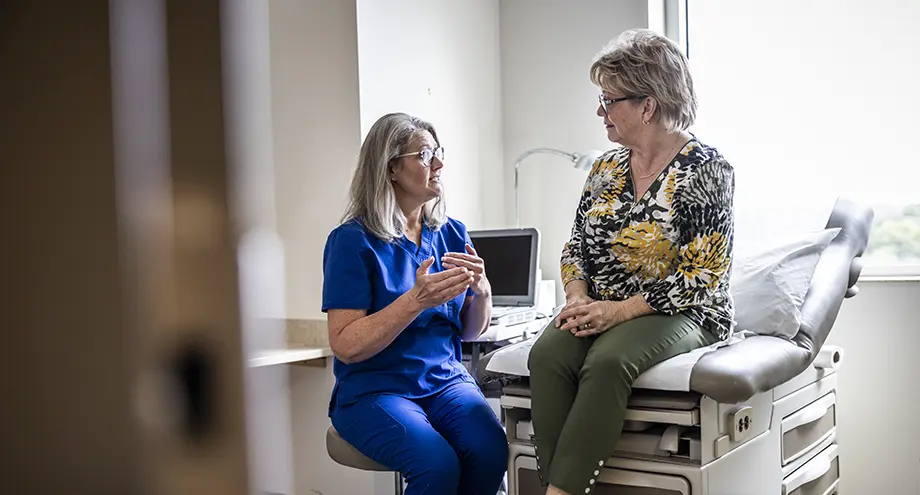
While drug discovery and medical breakthroughs have historically been based on research in male animals and men, the tide is turning, with increased female inclusion in research and more personalized healthcare for women. Sex differences are especially relevant in aging and longevity; women live longer than men but they do so in poorer health.
As a reproductive biologist and aging researcher in the Center for Reproductive Science, I believe the ovary - which is much more than a fertility organ – is the linchpin for healthy aging in women. This master regulator of women's health produces a suite of hormones that touches nearly every body system. It’s also one of the first organs to age. By the time a woman hits her mid-30s, her reproductive function begins to decline, impacting her fertility but also her bone, heart, immune, brain and sexual health.
We’ve defined novel molecular mechanisms of ovarian aging and engineered innovative platforms to study it, which we’re now translating into clinical therapeutics and biomarkers for ovarian longevity. We also discovered that the ovary remains biologically active decades after menopause. Far from inert, it transitions into an organ with immune-like characteristics. Unraveling this new biology and its clinical implications is the next frontier in women’s health.
Beyond my laboratory, I am particularly excited about harnessing the unique resources within the Potocsnak Longevity Institute and the Human Longevity Lab to map aging trajectories in women at the highest resolution ever before. The knowledge gained will provide new opportunities for disease prevention because every woman deserves not just more years, but more healthy ones.